

How to Add DEF, A Safe Diesel Exhaust Fluid Refill Guide

How to Add DEF: A Safe Diesel Exhaust Fluid Refill Guide
Adding diesel exhaust fluid is simple once you find the correct filler and use clean equipment. The main risks are putting DEF in the diesel tank, introducing contamination, spilling it on finished surfaces, or forcing more fluid into a full tank.
This guide explains how to add DEF from a sealed container or pump. It also covers tank location, refill timing, overfilling, spill cleanup, and whether the engine should be running. Vehicle designs differ, so follow the owner’s manual whenever it gives model-specific instructions.
Key Insights
- DEF belongs in a separate tank, usually identified by a blue cap.
- Park on level ground and switch the engine off before refilling.
- Use properly certified DEF and clean, dedicated filling equipment.
- Stop when the pump shuts off or the sealed container stops flowing.
- If DEF enters the diesel tank, do not start the engine.
Where Does DEF Fluid Go?
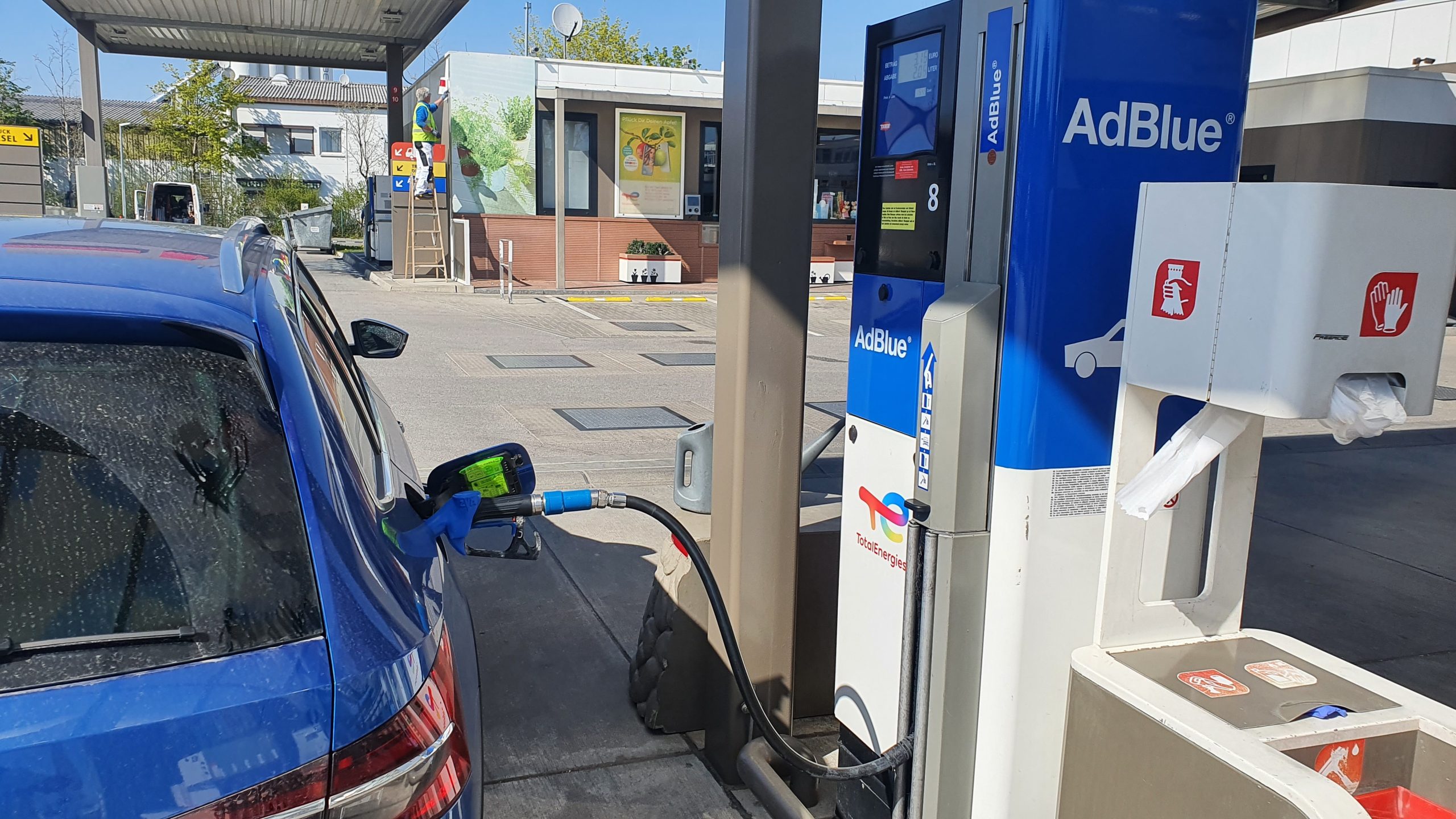
If you are asking where does DEF fluid go, look for a blue filler cap or a label marked DEF, AdBlue, or diesel exhaust fluid. The location varies by vehicle. It may sit next to the diesel filler, under the hood, behind a separate access door, or along the side of a commercial truck.
Do not assume two caps beside each other lead to the same tank. Read the labels carefully. If the cap location is unclear, stop and check the owner’s manual before opening anything.
What to Check Before Adding DEF
Prepare the vehicle and fluid before removing the cap:
- Park on level ground and apply the parking brake.
- Use DEF that meets the manufacturer’s required specification.
- Check that the container is sealed and within its usable date.
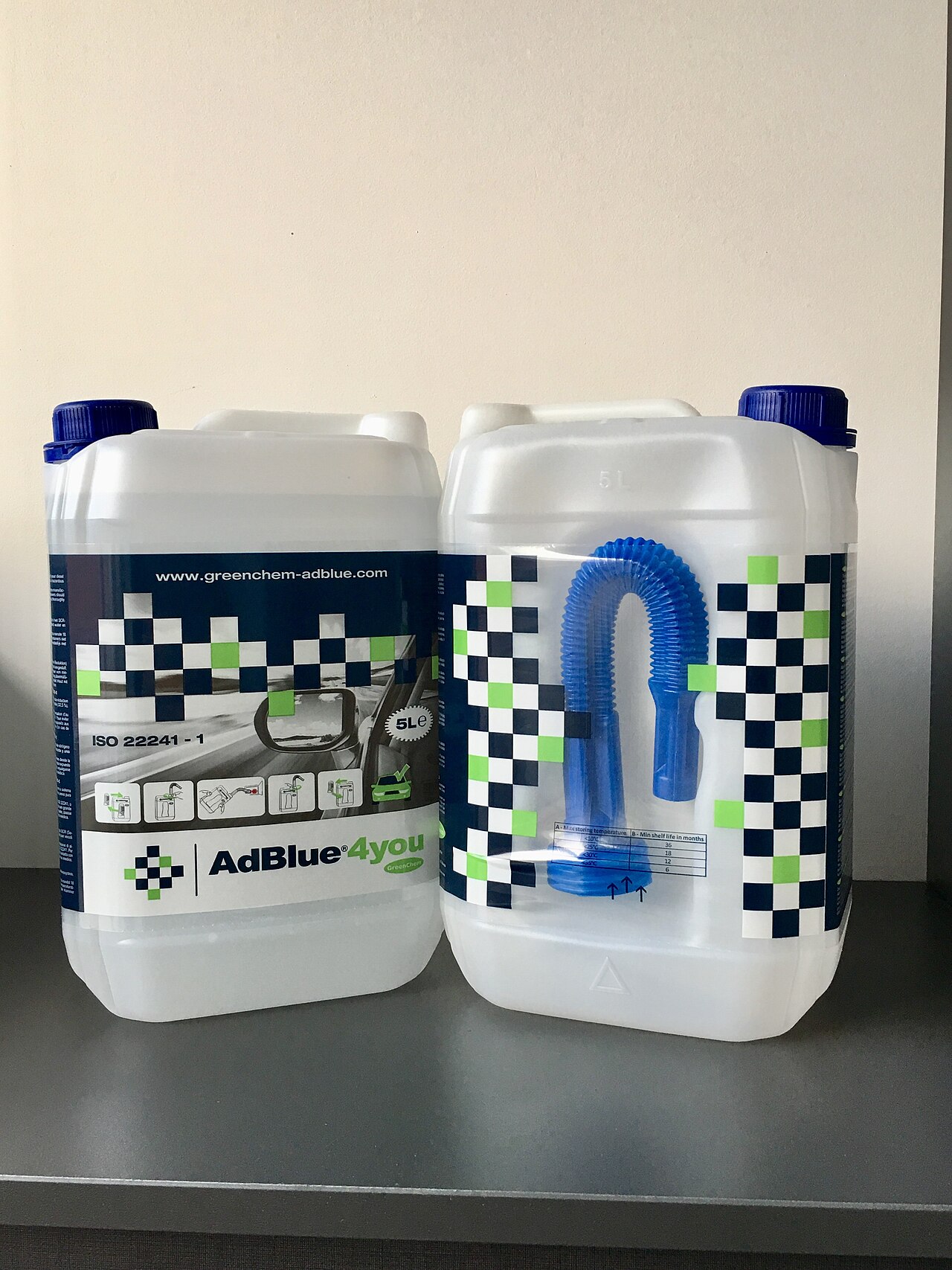
- Use a dedicated nozzle, spout, or clean DEF-only funnel.
- Remove dirt from around the filler opening.
Fuel, oil, coolant, tap water, and dirt can affect DEF quality or damage SCR components. A clean refill matters more than pouring quickly.
How to Refill Diesel Exhaust Fluid
The following process explains how to refill diesel exhaust fluid. Follow the instructions printed on the container or pump.
- Switch off the vehicle.
Park level, set the brake, and turn off the engine. - Confirm the filler.
Find the blue DEF cap and read its label. - Open it carefully.
Keep dirt away and place the cap somewhere clean. - Insert the nozzle or spout.
Seat it securely to reduce splashing. - Add DEF slowly.
Let the pump shut off or the container stop flowing. - Do not force more fluid.
Avoid shaking the container or repeatedly triggering the pump. - Replace the cap.
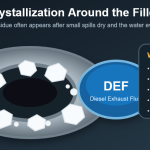
Tighten it correctly and clean any spill with water.
Should the Engine Be Off When Adding DEF?
For the question should engine be off when adding DEF, switching it off reduces movement, heat, and confusion during the refill. Some systems continue running a pump briefly after shutdown; that sound can be normal.
If the wrong fluid enters either tank, do not start the engine. Arrange professional service before it circulates.
Can You Overfill a DEF Tank?
The answer to can you overfill DEF tank is yes. Overfilling can cause spills and leave too little room for expansion. This matters in winter because DEF freezes at about 12°F, or −11°C.
Stop when the station nozzle shuts off or the sealed container stops flowing. Do not keep squeezing, shaking, or topping up to the filler neck.
How Often to Fill DEF Tank
There is no single mileage answer to how often to fill DEF tank. Use changes with engine design, fuel consumption, payload, towing, speed, route, and idle time.
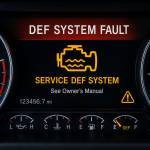
Follow the dashboard gauge and warnings. Check the level before long trips, heavy towing, remote work, or seasonal use. Do not wait until the tank is empty, because some vehicles may eventually limit performance or restarting.
Expert Recommendations
- Buy correctly labeled DEF from a reliable supplier.
- Keep one clean spout or funnel exclusively for DEF.
- Never dilute DEF or combine leftover fluids.
- Store sealed containers cool and away from sunlight.
- Record refill quantities if the gauge behaves unexpectedly.
- Follow the required minimum refill after an empty-tank warning.
The American Petroleum Institute advises users to protect DEF from contamination and verify that it meets the required quality standard.
Frequently Asked Questions
Can I add DEF from a bottle myself?
Yes. Use a sealed container with a clean, compatible spout and follow the vehicle and container instructions.
What color is the DEF filler cap?
It is commonly blue, but always read the label because filler locations and cap designs vary.
What should I do if DEF spills?
Rinse or wipe the affected exterior surface promptly with water and a damp cloth. Do not allow dried residue to remain on painted finishes.
Can I use a regular funnel for DEF?
Only if it is clean and dedicated exclusively to DEF. A funnel previously used for fuel, oil, coolant, or water can contaminate the fluid.
Why did the warning remain after refilling?
The system may need time to recognize the new level. If the warning remains after the procedure described in the manual, the vehicle may need diagnosis.
What happens if DEF goes into the diesel tank?
Do not start the engine. DEF can damage fuel-system components, so arrange professional draining and inspection immediately.
Conclusion
Safe DEF refilling comes down to five habits: identify the blue filler, switch the engine off, use clean certified fluid, stop when the tank is full, and clean spills promptly.
Check the level before demanding trips and follow your vehicle’s manual for capacity, minimum refill amounts, and warning-reset procedures.
Keep Your DEF System Ready
Explore our DEF Refilling & Tank Care guides for tank capacity, warning lights, contamination prevention, cold-weather filling, and troubleshooting.

Other Articles
DEF Consumption Rate How Much Fluid Does a Diesel Use?
DEF Warning Light: What It Means and What to Do Next
No Comment! Be the first one.