

About Us
Welcome to Diesel Exhaust Fluid Guide, an independent educational resource created to help diesel vehicle owners, fleet operators, technicians, equipment managers, and commercial drivers better understand Diesel Exhaust Fluid, SCR systems, and modern diesel emissions technology.
Diesel Exhaust Fluid may seem simple, but questions about storage, refilling, warning lights, fault codes, sensor failures, crystallization, contamination, and system derates can quickly become confusing. Our goal is to turn complex technical information into clear, practical guidance that readers can understand and use.
Our Mission
Our mission is to provide accurate, people-first information about Diesel Exhaust Fluid and the systems that depend on it.
We publish detailed guides covering topics such as:
- What Diesel Exhaust Fluid is and how it works
- What DEF is made of
- How SCR systems reduce diesel emissions
- How much DEF diesel vehicles use
- How to refill a DEF tank correctly
- DEF storage, expiration, and shelf life
- DEF freezing and hot-weather care
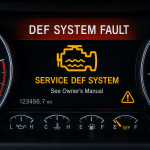
- Dashboard warning lights and countdown messages
- DEF system problems and derate conditions
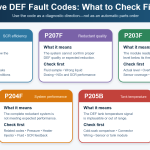
- Diagnostic fault codes such as P20EE, P207F, P203F, P204F, and P205B
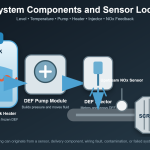
- DEF level sensors, pumps, heaters, injectors, and NOx sensors
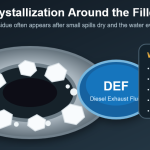
- DEF crystallization and white deposits
- Fluid quality, contamination, spills, and safe handling
- DEF use in pickup trucks, semi-trucks, fleets, agricultural machinery, and heavy equipment
We aim to answer the questions drivers and equipment owners often face before, during, and after a DEF-related warning appears.
How We Create Our Content
Our articles are written to be clear, practical, and easy to navigate. We review information from vehicle manufacturers, engine manufacturers, government agencies, technical service materials, and recognized industry organizations whenever reliable sources are available.
We also separate general educational information from vehicle-specific repair instructions. DEF systems can vary by manufacturer, engine, model year, software version, and emissions configuration. For that reason, we encourage readers to confirm repair procedures, specifications, and warning-message instructions through the appropriate owner’s manual or service documentation.
A diagnostic code does not always identify the exact part that has failed. A warning may involve fluid quality, wiring, sensors, pressure, dosing, temperature, exhaust leaks, software, or catalyst performance. Our troubleshooting guides focus on helping readers understand the system and identify the right questions to ask before replacing expensive components.
Our Editorial Approach
We believe useful technical content should be:
- Easy to understand
- Based on credible information
- Honest about uncertainty
- Focused on practical next steps
- Free from unnecessary jargon
- Updated when standards or guidance change
- Written for people rather than search engines alone
We do not encourage unsafe shortcuts, emissions-system tampering, or unverified reset methods. Proper diagnosis and maintenance protect the vehicle, reduce unnecessary repair costs, and help the emissions system operate as designed.
Who This Website Is For
Diesel Exhaust Fluid Guide is designed for anyone who operates, owns, maintains, or manages diesel-powered equipment, including:
- Pickup truck and diesel SUV owners
- Commercial drivers
- Fleet managers
- Repair professionals
- Farmers and equipment operators
- Construction and industrial businesses
- New diesel owners learning about DEF
Whether you are researching a warning light, preparing for a long trip, managing DEF inventory, or trying to understand a diagnostic code, our goal is to provide a reliable place to begin.
Helping You Make Better DEF Decisions
Thank you for visiting Diesel Exhaust Fluid Guide. We are committed to helping you understand DEF systems, prevent avoidable problems, and make better-informed maintenance decisions.