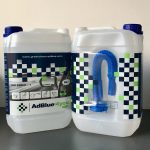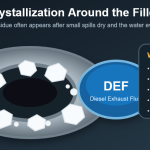
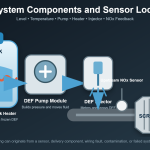




Modern diesel engines deliver strong torque, dependable performance, and excellent fuel efficiency. However, diesel combustion can also produce nitrogen oxides, commonly called NOx. Newer diesel vehicles use advanced emissions-control systems to reduce these gases before they leave the exhaust pipe.
One important part of this system is diesel exhaust fluid. You may have seen it in a blue-capped tank, a retail container, or a truck-stop pump. Although the name sounds technical, its purpose is simple: DEF helps clean diesel exhaust.

Key Insights
- Diesel exhaust fluid is stored in a separate tank and never mixed with diesel fuel.
- DEF contains 32.5% high-purity urea and 67.5% purified water.
- It helps the selective catalytic reduction system convert nitrogen oxides into nitrogen and water vapor.
- Most U.S. on-road diesel trucks began using DEF-based systems around the 2010 model year.
- Low fluid levels or system faults may trigger dashboard warnings and reduced vehicle performance.
What Is DEF Fluid?
DEF is a clear liquid made from 32.5% high-purity urea and 67.5% purified water. It is injected into a diesel vehicle’s exhaust system to help reduce harmful nitrogen oxide emissions.
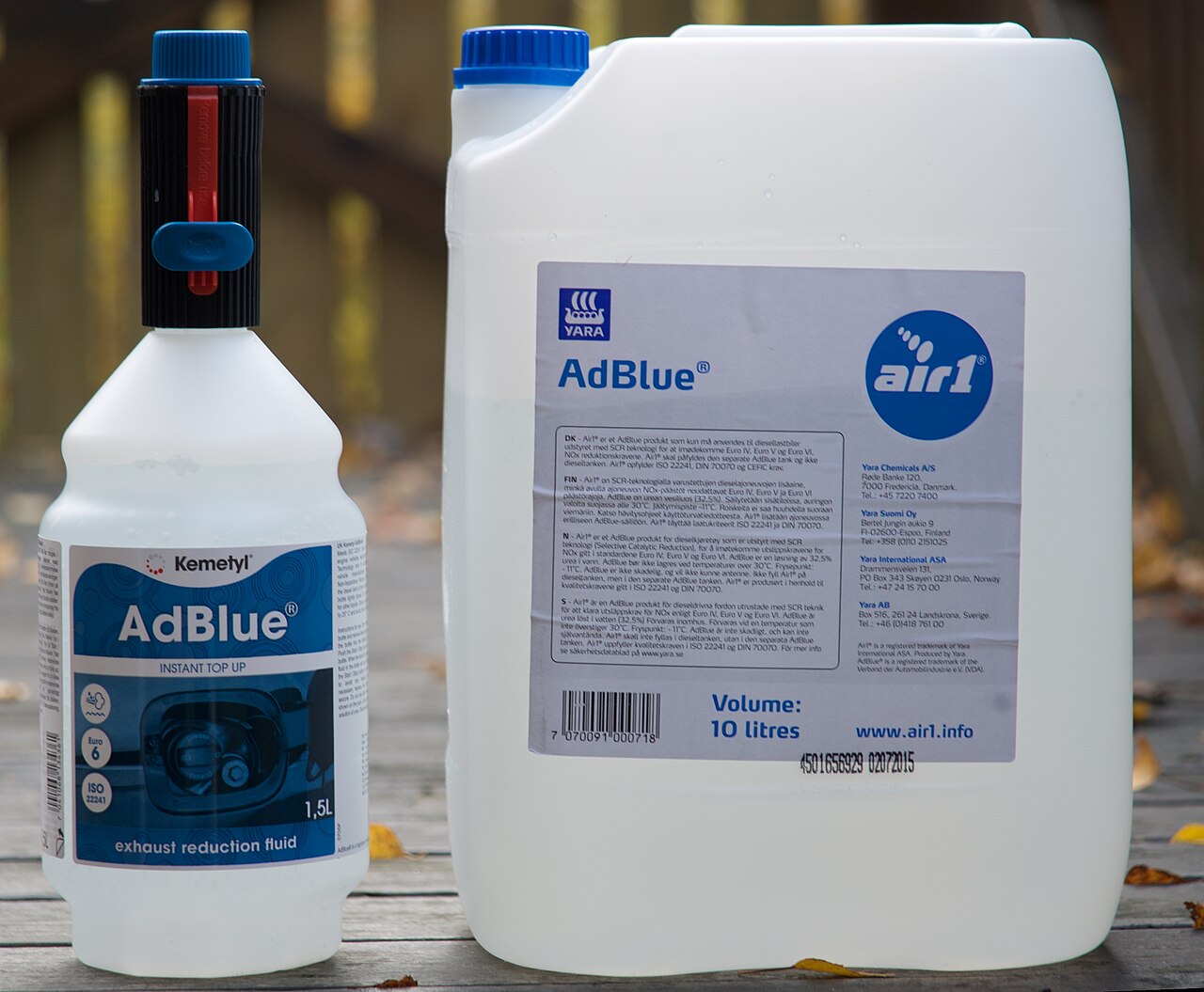
For anyone asking what is DEF fluid, the most important fact is that it is not a fuel additive. DEF never enters the diesel engine or fuel system. It remains in a dedicated tank until the emissions system injects a measured amount into the exhaust stream.
The standardized mixture is important because modern DEF systems contain sensitive pumps, injectors, sensors, and catalysts. Dirt, fuel, minerals, coolant, or an incorrect urea concentration can interfere with those components.
DEF is not:
- Diesel fuel
- An engine-oil additive
- A fuel-system cleaner
- A homemade fertilizer mixture
- A fluid that should be diluted with tap water
What Is Diesel Exhaust Fluid Used For?
It is used to help a selective catalytic reduction system reduce nitrogen oxide emissions from diesel exhaust.
Diesel engines use high compression and high combustion temperatures to produce power efficiently. These conditions also create nitrogen oxides. NOx emissions can contribute to smog and poor air quality.
A selective catalytic reduction system, commonly called an SCR system, treats these emissions after combustion. It uses DEF as part of a chemical process that changes nitrogen oxides into less harmful substances.
Diesel exhaust fluid is commonly used in:
- Diesel pickup trucks
- Semi-trucks and commercial fleets
- Delivery vans
- School and public transit buses
- Diesel motorhomes
- Agricultural tractors
- Construction and industrial equipment
How Does Diesel Exhaust Fluid Work?
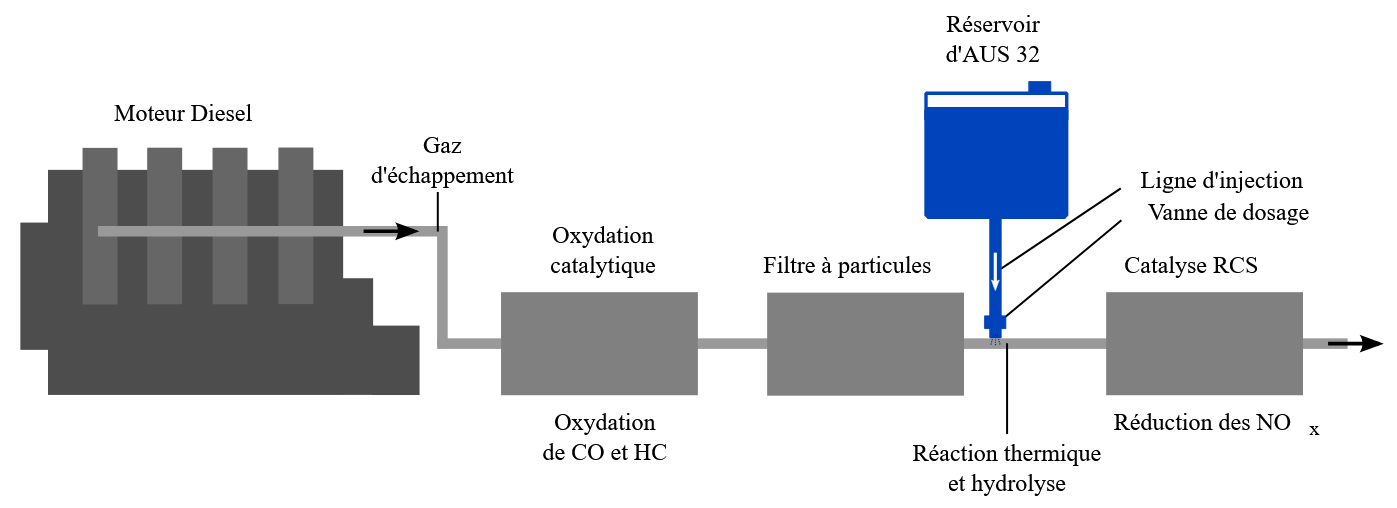
The answer to how does diesel exhaust fluid work? becomes easier to understand when the process is divided into five stages.
-
The engine produces exhaust.
Diesel combustion creates exhaust gases that may contain nitrogen oxides. -
The system injects DEF.
A dosing unit sprays a carefully measured amount of fluid into the hot exhaust stream. -
Heat transforms the fluid.
The heat in the exhaust converts the urea in DEF into ammonia. -
A chemical reaction occurs.
The ammonia reacts with nitrogen oxides as the gases pass through the SCR catalyst. -
Cleaner exhaust exits the vehicle.
The reaction mainly produces nitrogen and water vapor.
This process happens automatically while the engine is operating. The vehicle’s computer considers engine load, exhaust temperature, fuel consumption, sensor readings, and other conditions when calculating the required DEF dose.
The system depends on correct fluid quality, reliable sensors, proper injector operation, and a functioning catalyst. That is why a DEF dashboard message does not always mean the tank is empty.
A warning may also indicate:
- Contaminated or poor-quality DEF
- A blocked or crystallized DEF injector
- A failing level, temperature, or quality sensor
- A pump or pressure problem
- An SCR catalyst or nitrogen oxide sensor fault
Why Do Diesel Engines Need DEF?
The main answer to why do diesel engines need DEF? is emissions control. Modern diesel vehicles must reduce pollutants while still delivering the power, durability, and efficiency expected from a diesel engine.
SCR technology allows manufacturers to treat nitrogen oxides after combustion. Instead of changing DEF into fuel or using it inside the engine, the system uses it in the exhaust to support the emissions-reduction process.
DEF helps compatible diesel vehicles:
- Reduce nitrogen oxide emissions
- Meet applicable emissions requirements
- Maintain efficient engine operation
- Control emissions through an automatic process
Not every diesel engine requires DEF. Many older vehicles were built before SCR systems became common, while some engines use different emissions-control designs.
Check the owner’s manual, dashboard information, or filler area to confirm whether a vehicle uses DEF. A blue filler cap often identifies the DEF tank, but the owner’s manual remains the most reliable source.
When Did Diesel Trucks Start Using DEF?
Most on-road diesel trucks in the United States adopted DEF-based SCR systems around the 2010 model year.
Stricter diesel emissions standards encouraged manufacturers to introduce new aftertreatment technologies. Many truck makers selected SCR systems that use diesel exhaust fluid to reduce nitrogen oxide emissions.
Manufacturers did not all make the change on the same date. The exact requirement depends on the vehicle’s model year, engine, emissions package, and market.
Agricultural, construction, and other nonroad machines also began using DEF as emissions requirements were introduced for different equipment classes.
Do not rely only on a truck’s age. Two vehicles from a similar period may use different engines or emissions systems. Confirm the requirement through the owner’s manual or manufacturer information.
Expert Recommendations for DEF Owners
1. Purchase Properly Labeled Fluid
Buy sealed DEF from a reliable supplier. Examine the package for damage, leaks, broken seals, or contamination before pouring it into the tank.
2. Keep All Equipment Clean
Use dedicated pumps, funnels, and containers. Equipment that previously held diesel fuel, motor oil, coolant, cleaning chemicals, or tap water should not be used for DEF.
3. Never Put DEF in the Fuel Tank
DEF and diesel fuel must remain separate. If DEF accidentally enters the diesel tank, do not start the engine. Starting it may circulate the fluid through the fuel system and increase the risk of damage.
4. Respond to Warning Messages Early
Refill the tank before the final warning stage. If the message remains after adding fresh fluid, the vehicle may have a sensor, injector, pump, wiring, or SCR system problem.
5. Store DEF Properly
Keep containers sealed and away from direct sunlight or excessive heat. Do not leave the cap open because dust, moisture, and debris can enter the container.
6. Follow Vehicle-Specific Instructions
Tank capacity, warning stages, refill procedures, and service requirements vary by manufacturer. Always give the owner’s manual priority over general advice.
Frequently Asked Questions
Is diesel exhaust fluid the same as diesel fuel?
No. DEF is stored in a separate tank and supports the SCR emissions system. Putting it in the diesel fuel tank can damage the fuel system.
Can a diesel engine run without DEF?
A vehicle may continue operating temporarily after a low-DEF warning. However, many models eventually reduce power, limit speed, or prevent restarting. The exact warning sequence depends on the manufacturer.
How often should DEF be refilled?
Refill frequency depends on fuel use, engine load, driving conditions, tank capacity, and vehicle design. Monitor the dashboard gauge and refill before the final warning appears.
Does DEF freeze?
Yes. DEF freezes at about 12°F, or −11°C. Compatible vehicles include systems designed to thaw the fluid, and a normal freeze-and-thaw cycle generally does not damage correctly formulated DEF.
Is DEF made from urine?
No. Commercial DEF uses manufactured, high-purity urea. It is not collected from urine, and fertilizer-grade urea should not be used as a substitute.
What happens if DEF becomes contaminated?
Contamination may cause deposits, incorrect dosing, warning messages, blocked components, catalyst problems, or costly repairs. Do not use fluid that appears dirty or has been stored improperly.
Can water be added to a DEF tank?
No. Adding tap water changes the required DEF concentration and may introduce minerals or contaminants. Use only properly manufactured diesel exhaust fluid.
Conclusion
Diesel exhaust fluid has one clear purpose: helping modern SCR systems reduce nitrogen oxide emissions. It remains separate from diesel fuel, enters the exhaust in controlled amounts, and supports a chemical reaction inside the catalyst.
Understanding the basics makes diesel ownership easier. Use quality fluid, protect it from contamination, refill the tank before it runs out, and take persistent warning messages seriously.
Continue Learning About DEF
Explore our DEF Basics & Complete Guides to learn how to refill a DEF tank, understand dashboard warnings, calculate fluid consumption, and prevent common system problems.

Other Articles
DEF System Problems, Causes, Derate, Reset and Repair
What Is DEF Made Of? Urea, Water and Chemistry Explained