

What Is DEF Made Of? Urea, Water and Chemistry Explained

What Is DEF Made Of? Urea, Water and Chemistry Explained
Diesel exhaust fluid looks like plain water, yet its formula is tightly controlled. Small changes in concentration or purity can affect injectors, sensors, deposits, and emissions performance.
So, what is DEF made of? It contains only two ingredients: 32.5% technically pure urea and 67.5% purified water. This guide explains the ratio, where the urea comes from, and what happens inside hot diesel exhaust.
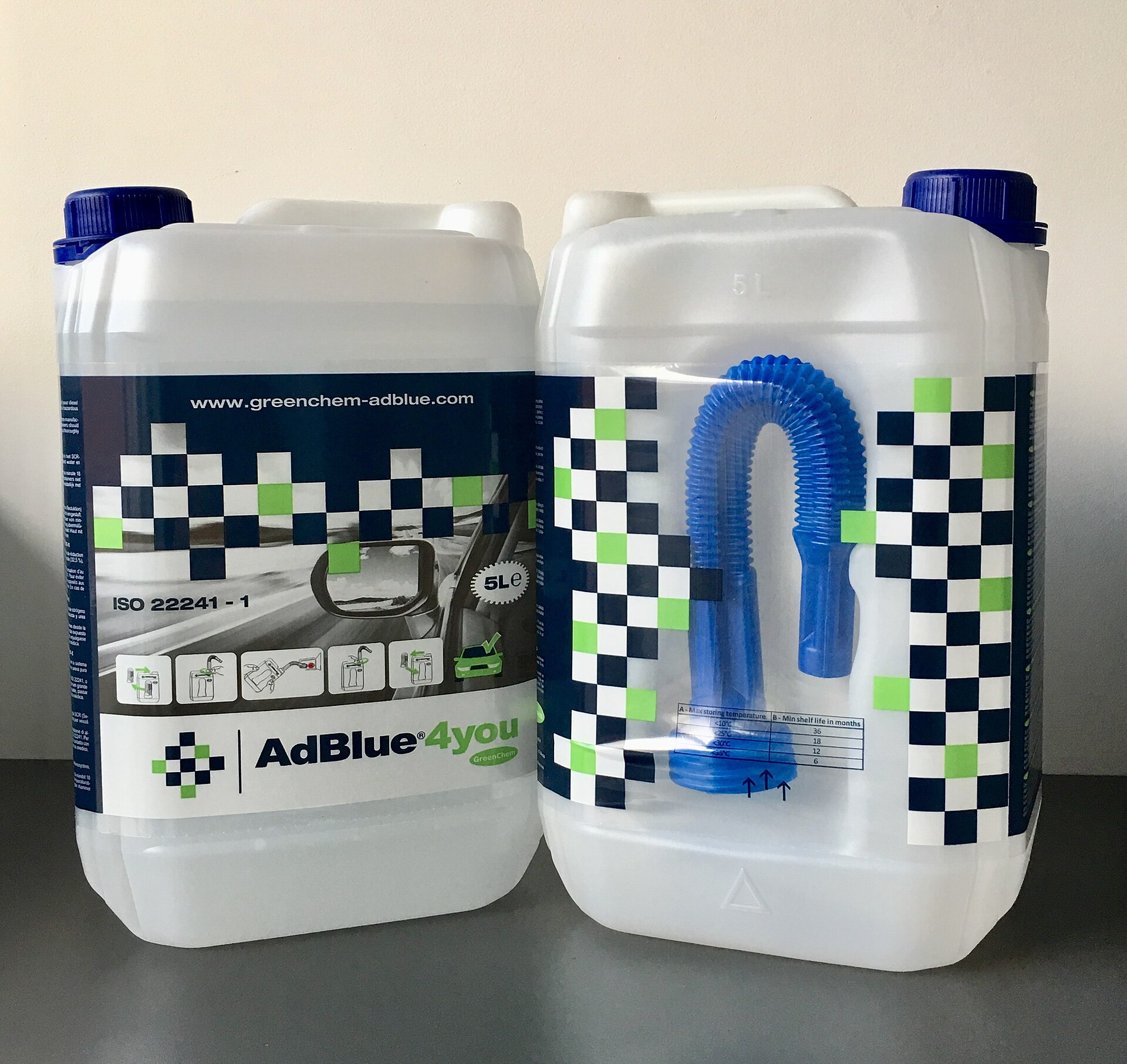
Key Insights
- DEF contains 32.5% technically pure urea and 67.5% purified water by weight.
- The concentration supports dependable freezing, thawing, storage, and SCR operation.
- The urea is manufactured industrially; finished DEF is not collected from human or animal waste.
- Fertilizer-grade material may contain impurities that are unsuitable for a vehicle’s emissions system.
- Heating DEF in the exhaust helps form ammonia, which supports the conversion of nitrogen oxides.
What Is DEF Made Of?
Urea is a nitrogen-containing compound that helps create ammonia in the exhaust. Water acts as a clean carrier so the vehicle can store, pump, and inject the solution accurately.
Purity is critical. Tap water can contain dissolved minerals that leave deposits or interfere with sensitive DEF components. Proper manufacturing therefore uses purified water and tightly controlled urea.
Why Is DEF 32.5 Percent Urea?
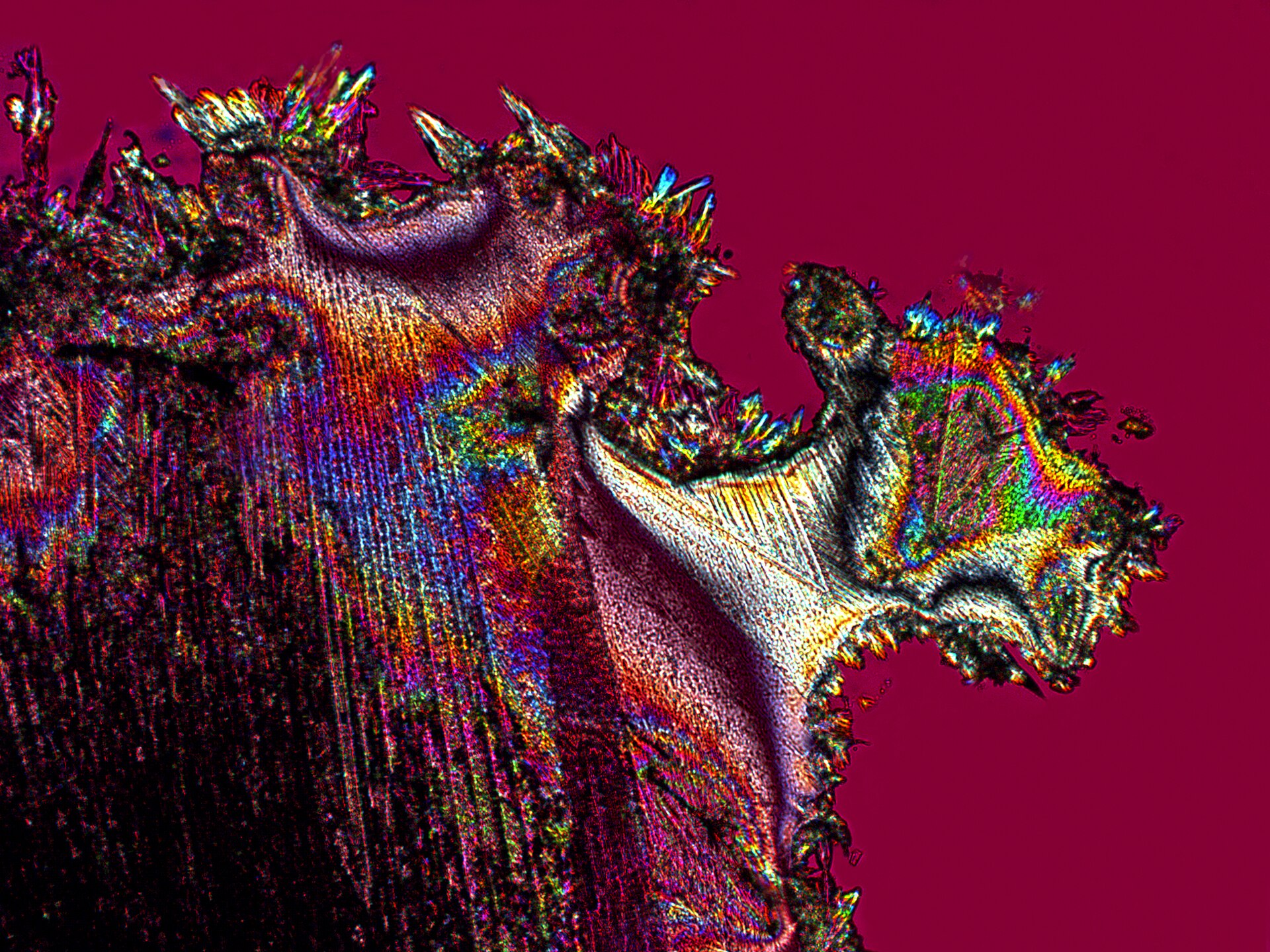
The question why is DEF 32.5 percent urea has both chemical and practical answers. At this concentration, the urea and water form a stable standardized solution commonly called AUS 32. It also reaches a low freezing point of about 12°F, or −11°C.
The water and urea freeze together rather than separating into layers. After normal thawing, correctly formulated DEF returns to its intended concentration.
The exact ratio also supports accurate dosing. A stronger or weaker mixture can create deposits, trigger warnings, or reduce SCR effectiveness.
Is DEF Made From Urine?
People ask is DEF made from urine because urea occurs in human and animal waste. Commercial urea, however, is manufactured from ammonia and carbon dioxide rather than collected from waste.
Urine also contains salts, organic compounds, and other contaminants. Its concentration varies and does not meet automotive cleanliness requirements.
Automotive Grade Urea vs Fertilizer Urea
The difference in automotive grade urea vs fertilizer urea is purity and intended use. Fertilizer feeds soil; DEF-grade urea must protect a precision emissions system.
Using the wrong material can introduce substances such as:
- Minerals and metals
- Biuret and other manufacturing by-products
- Insoluble particles
- Coatings or anti-caking agents
- Residue from storage and handling equipment
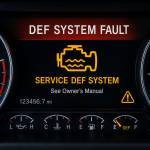
These contaminants may clog an injector, coat a catalyst, or trigger a quality warning. Similar appearance does not make the products interchangeable.
What Happens When DEF Is Heated?
To understand what happens when DEF is heated, separate storage heat from exhaust heat. Prolonged storage heat can shorten shelf life, while controlled exhaust heat is essential to DEF’s job.
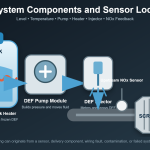
- DEF is injected.
The dosing system sprays a measured amount into the hot exhaust stream. - Water evaporates.
The carrier water becomes vapor as the droplets heat up. - Urea decomposes.
The chemical reactions produce ammonia for the SCR process. - NOx is reduced.
Ammonia reacts with nitrogen oxides over the catalyst, mainly forming nitrogen and water.
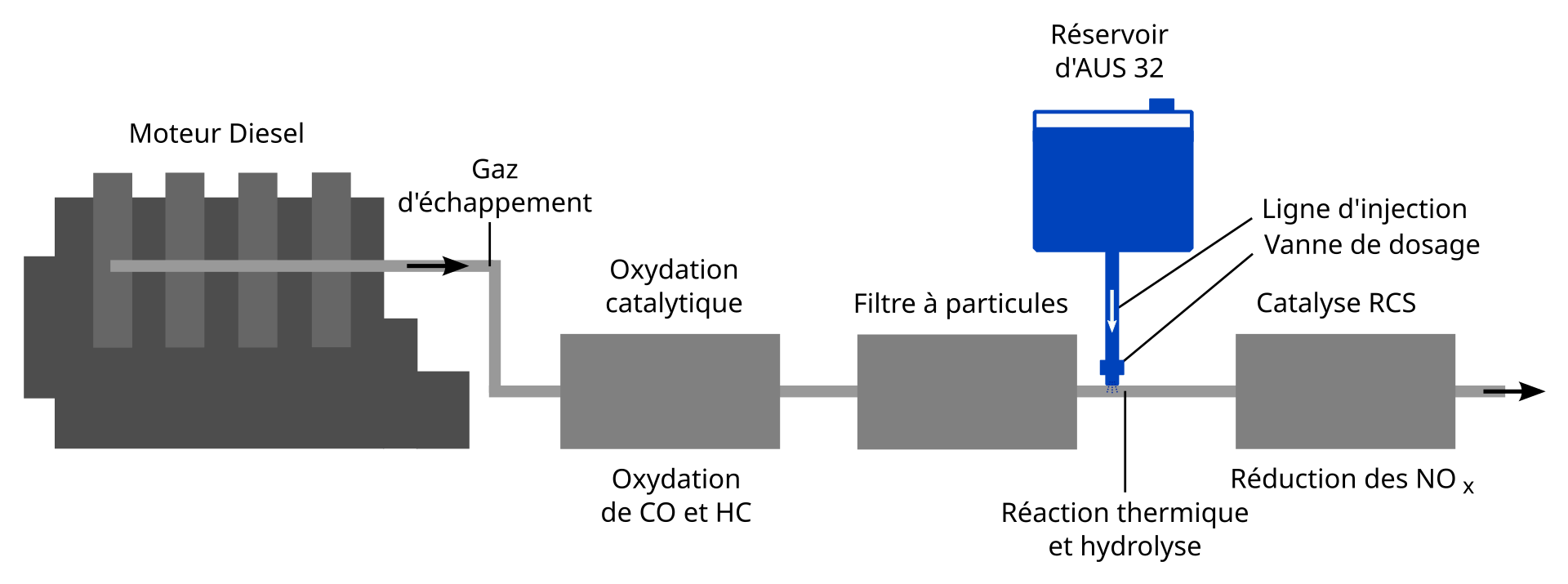
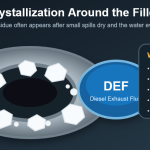
If exhaust temperatures stay too low, incomplete evaporation may encourage deposits and crystallization.
Can You Make Diesel Exhaust Fluid?
When drivers ask can you make diesel exhaust fluid?, the recipe may seem easy. The challenge is confirming purity, exact concentration, clean equipment, packaging, and compliance.
A kitchen scale and bottled water cannot verify trace contaminants. A cheap homemade mix can lead to expensive pump, injector, sensor, or catalyst repairs.
Expert Recommendations
- Buy sealed, properly labeled DEF. Look for fluid that states compliance with ISO 22241 or carries a recognized certification mark.
- Check the container. Avoid damaged seals, dirty nozzles, leaking packages, or fluid with visible particles.
- Use dedicated equipment. Never use a funnel or pump that previously handled fuel, coolant, oil, or fertilizer.
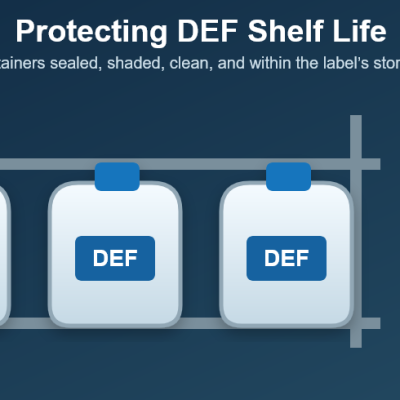
- Store it correctly. Keep DEF sealed, shaded, and away from prolonged high temperatures.
- Do not dilute it. Adding water changes the concentration and may introduce minerals.
Frequently Asked Questions
What are the two ingredients in DEF?
DEF contains technically pure urea and purified water at a standardized concentration of 32.5% urea and 67.5% water.
Is urea in DEF harmful to the engine?
DEF does not enter the engine. It is injected into the exhaust system. Problems usually arise from contamination, incorrect fluid, or putting DEF into the diesel fuel tank.
Why cannot tap water be used in DEF?
Tap water may contain dissolved minerals that can leave deposits or damage sensitive DEF and SCR components.
Does DEF turn directly into ammonia?
Heat-driven reactions in the exhaust convert the urea into ammonia, which then reacts with nitrogen oxides over the SCR catalyst.
Can fertilizer urea be purified for a DEF tank?
Vehicle owners should not attempt it. Proper DEF production requires controlled raw materials, clean manufacturing equipment, laboratory testing, and compliance with strict quality limits.
How can you tell whether DEF meets the proper standard?
Check the label for ISO 22241 compliance and purchase sealed fluid from a reliable supplier. A recognized certification mark provides added quality assurance.
Conclusion
DEF has only two ingredients, but it is a precision fluid. Its standardized formula supports predictable dosing, cold-weather behavior, and SCR chemistry.
The safest approach is simple: buy compliant DEF, keep it clean, store it correctly, and never replace it with urine, fertilizer, tap water, or a homemade blend.
Learn More About DEF Quality
Continue exploring our DEF Chemistry & Ingredients guides to learn how fluid quality is tested, why contamination matters, and how to protect your SCR system.

Other Articles

Diesel Exhaust Fluid Explained Uses, Benefits and More
How SCR Works in Diesel Engines DEF and NOx Explained